
Say you've been handling this yourself and the insurance company has put $4,000 in writing. You're hurt, the bills are real, and $4,000 is not nothing. The question in your head is whether a lawyer would actually get you more than that, or just take a third of the same number.
It's the right question to ask, and I'll answer it straight. Every chapter up to here has been about how a settlement gets built and how it gets cut down. This one is about what changes when the person building it does this every single day.
What a self-represented claim is up against
Here's what the adjuster on the other end is counting on, whether or not they'd say it out loud.
They know you can't go down to the courthouse and promptly file a lawsuit yourself. That isn't an insult to you, it's just the position you're in, and it means the one move that would cost them real money isn't available to you.
They're also banking on the fact that you don't have the experience, no matter how much you can Google. You're not doing this every single day. So maybe you put together a halfway decent demand, and it reads fine, and you still left quite a few things out that kept the value suppressed. You'd have no way of knowing which ones. In more than 13 years of practicing I've watched that happen to people who did everything else right.
And then there are doctrines that just aren't familiar to a layperson, which we'll get to in a minute.
It's what we do every day, and a credible demand letter, supported by the fact that we could ultimately file a lawsuit, really creates a lot of leverage and moves the needle with most insurance adjusters. If you try to handle this on your own, they know that you can't go down to the courthouse and promptly file a lawsuit.
Who pays for the case before the settlement arrives
Part of the gap isn't knowledge. It's money, and it's money that has to be spent before any settlement exists.
We work on a contingency fee arrangement. Basically, that means there's no fee unless and until you recover, and when you do, the fee comes out of your recovery as a percentage of it. Rule of thumb in Fort Worth and across Texas is roughly a third, 33 to 35 percent pre-suit, and it escalates if a lawsuit gets filed, often to 40 percent, sometimes 45 if the case goes to trial. Firms handle it differently, so read your contract.
The part people don't know is that the attorney also advances all the costs. We front the filing fees. We pay the expert witnesses. We pay to get all the medical records. Those things add up, and you can have thousands of dollars in case expenses on a single file.
Compare that to how it would work otherwise. You'd walk in, put down a retainer, meaning money paid up front before any work starts, five or ten or fifteen thousand dollars of it, and then pay every cost on top of that. Before you've recovered anything, and a recovery is never guaranteed, you might have spent twenty grand. And if we don't make a recovery for you, you owe us zero. Read your contract carefully on that point, because it isn't typical.
That arrangement is also why somebody handling their own claim usually can't buy the same case. The specialists. The accident reconstruction expert who rebuilds how the crash happened. The life care planner. Every one of those is a real invoice somebody has to pay long before there's any money coming in.
The asymmetry, in dollars
So I'll give you some real numbers, because people bring us these files.
We've had people come in who were offered $1,500. Offered $4,000. One where we could see the insurance company had put $6,000 in writing, and that was the most that person was offered the whole time they were handling it alone. If one of those numbers sounds like yours, it doesn't mean you did anything wrong. You'd be doing this once, for the first and only time in your life, across the table from somebody who does it all day.
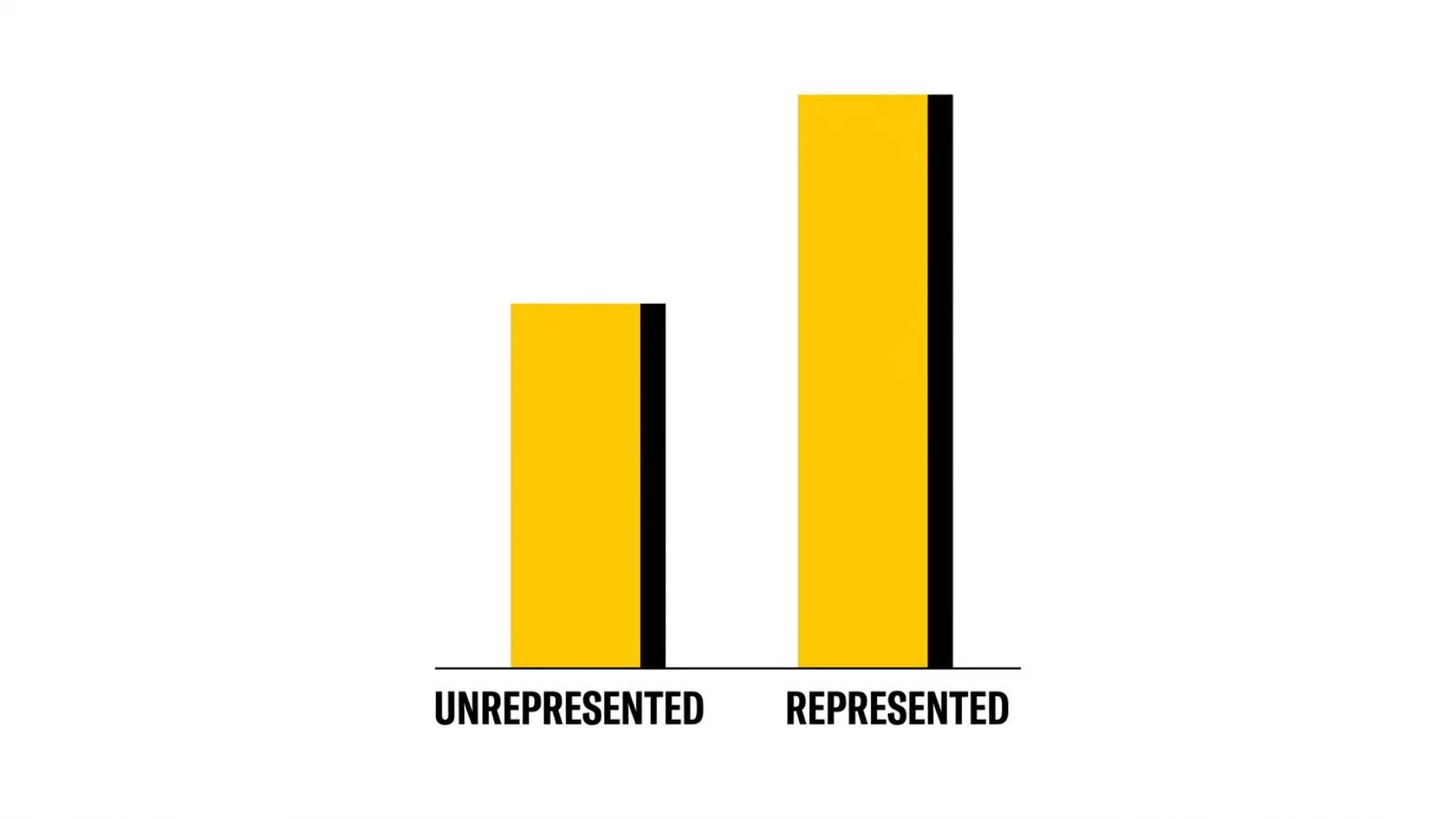
When we got involved, one of those went to $40,000. The one that started at $1,500 came back at more than $90,000.
None of that is a promise about your case, and no good attorney is going to give you a number for your case. It's what happened on those files. And so the reason it happened is everything the rest of this book describes. Your records, the strategic appointments, the documentation, and a demand letter built out of all of it.
The Stowers doctrine
So here's one of those doctrines. In Texas we have something called the Stowers doctrine, and it's essentially judge-made law, meaning it comes from court decisions rather than a statute the legislature passed.
It exposes an insurance company to liability above its own policy limit, and we format our demands in a very specific way to set that up. Say the insurance company has a $30,000 policy and you make the appropriate Stowers demand. If they don't meet it, and you go to trial, and you get a judgment above what they would have been obligated to pay, it forces the insurance company to pay out anyway.
We've seen it work. One comes to mind where all they had to do was tender their entire policy limits, meaning hand over every dollar of coverage they had and be done. It was a $30,000 policy. They offered us $3,000. We went to trial, we got a $64,000 verdict, and the insurance company had to pay it.
The doctrine traces back to a 1929 Texas case, G.A. Stowers Furniture Co. v. American Indemnity Co. It first established that an insurer handling a claim owes its policyholder a duty to accept a reasonable settlement offer within policy limits. It can be held liable for the full excess judgment if it unreasonably refuses.
And so that's another tool Texas attorneys have in the tool belt, and it moves the needle even in cases that never go near a courtroom, because now the adjuster has something to lose by refusing. It's also not a tool most people know exists, let alone know how to format a demand around.
Net value, not headline value
Knowing a doctrine is a piece of it. The bigger piece is just doing the work. We build the settlement value out of the records, the strategic appointments and the documentation, chapter by chapter the way this book has laid it out, and then we negotiate off of that.
That's where the net gain to you comes from. You recover far more, even after paying attorney's fees, than you would doing this on your own or hiring somebody inexperienced. A good attorney creates and drives the value of your case through knowledge, experience, and the team of experts they put around you.
On one claim with roughly $20,000 in documented medical bills, the insurer kept coming back with $15,000, below the medical bills alone. They justified it by saying other firms had accepted settlements like that before. My answer was simple: that's exactly why we don't. An insurance company that has seen a firm settle below the medical bills once will keep testing that firm's floor on every future case. That's precisely why I've drawn a hard line against ever putting a client in a position where they walk away from their own medical bills without being made whole first.
What it costs to bring most cases to a resolution
There are two different numbers here and it's worth keeping them straight, because they measure different things.
The first is how many cases avoid a trial. Most car accident cases in Fort Worth, and particularly at our firm, settle without going to trial, and that number can be as high as 95 percent when a firm does what it should on the front end, investigating your case and building its value before anybody talks about settling.
The second is how many avoid a lawsuit altogether, which is a higher bar and a smaller number.
In my own practice, most claims resolve without ever having to file a lawsuit, and most of the claims that do go into litigation still settle before reaching an actual trial. Only a small fraction of any attorney's overall docket, mine included, ever ends up in front of a jury.
Filing suit and preparing for trial adds real cost and real time. It can add one to three years to your timeline, though it may yield a significantly higher award, and that tradeoff is a conversation we have with you rather than a decision we make for you. Even the court we file in moves the clock. A smaller case goes to the Tarrant County Court at Law, which moves faster; a larger one goes to the Tarrant County District Court, which has no cap on how much money a case can be about.
We track how long a case runs inside the firm before it resolves. If your claim isn't especially complex and the injuries aren't severe, that timeline runs roughly six to nine months, when it resolves before a lawsuit is filed.
So trial stays available to you when an insurer simply won't offer a fair number. It just isn't where most claims are headed, and building your case properly is what keeps it from having to go there.
Protecting the claim before it's too late
All of this assumes you still have a claim to bring, which brings up the one deadline that ends the conversation.
Under Section 16.003 of the Texas Civil Practice and Remedies Code, you have two years from the date of the injury to bring a personal injury claim in Texas, with very limited exceptions. Go past it and you're barred from recovering at all, no matter how strong the claim was. Filing an insurance claim does not pause that clock. It keeps running.
There's a shorter one that catches people too. If a government entity is involved, whether the City of Fort Worth, Tarrant County or TxDOT, you have to give written notice of your injury and claim long before the two years run out: within 180 days for a claim against the City of Fort Worth, and within six months under the Texas Tort Claims Act for other government entities. You still have your two years to bring the claim, but miss that notice deadline and it can kill the case.
So the single best thing you can do is simple, and it isn't a negotiating tactic. Get care and keep that care consistent, because consistent treatment builds the medical records and the records prove the case. Mind the clock. Preserve the evidence: photos, the crash report, witnesses. And call an attorney before the insurance company sets the frame and starts building ceilings and casting fault on you.
Common Questions
- Is it worth hiring an attorney for a crash claim in Texas?
- In most cases yes, especially once the injury needs real medical treatment. An attorney can file suit, which is the leverage you don't have alone. A lawyer can apply doctrines like Stowers. And a firm documents damages the way this book describes. Together those usually produce a higher net recovery than a self-represented claim, even after the fee.
- What is the Stowers doctrine in Texas?
- The Stowers doctrine exposes an insurance company to liability above its own policy limits. It applies when the company unreasonably refuses a properly formatted settlement demand inside those limits and the case later returns a verdict above what the policy would have covered. It's judge-made law, meaning it comes from court decisions, and it's a real piece of leverage in a Texas negotiation.
- Does the Stowers doctrine mean every case with a low policy limit turns into a big verdict?
- No. It applies only where a properly formatted demand within policy limits is unreasonably refused and the case then produces a verdict above that policy. Most insurers avoid that by accepting a reasonable demand in the first place. That's part of why a well-formatted Stowers demand changes an insurer's thinking even in cases that never go near a courtroom.
- What percentage of car accident cases go to trial?
- In my own caseload, only a small fraction. Most resolve before a lawsuit is even filed, and most of the claims that do go into litigation settle before an actual trial. Trial stays a real option when a fair number isn't offered. It's the exception a well-documented case is built to avoid.
- What is the statute of limitations for a car accident claim in Texas?
- Two years from the date of injury, under Texas Civil Practice and Remedies Code Section 16.003, with very limited exceptions. Miss it and your recovery is barred permanently, whatever the claim was worth. Filing an insurance claim does not pause the clock. If a government entity is involved, there's also a written notice deadline, 180 days for the City of Fort Worth and six months under the Texas Tort Claims Act, that can end the case on its own.
- What does a personal injury attorney do throughout a case?
- Beyond paperwork, a personal injury attorney's role covers documenting damages, coordinating with treating physicians on current and future care, negotiating with adjusters using tools like Stowers, and filing suit when negotiation stalls. Each of those maps to a chapter in this book. The job, in practice, is building and defending a record.
Chapter Reflection
A settlement gets built. That's been true since the first page, and it's why the $4,000 sitting on the table at the start of this chapter is a starting number and not an answer. Where you end up depends on what goes into the file, who put it there, and whether it got done before the clock ran out. You can do some of that yourself, starting today, by getting care, keeping it consistent and saving everything. The rest of it is what we do every day.